
Provider spotlight
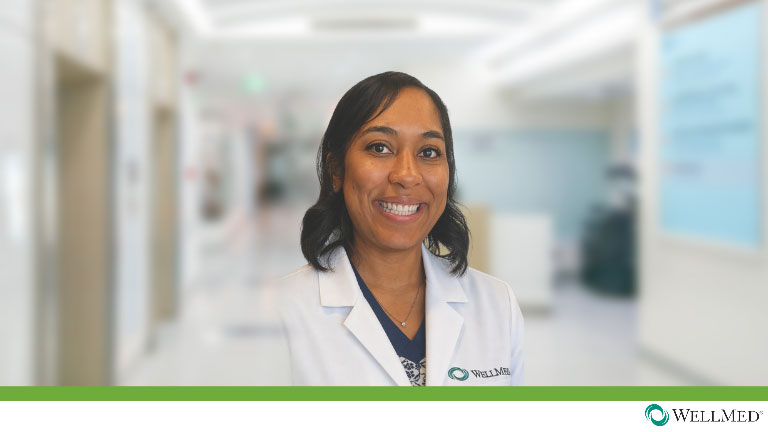
Provider spotlight: Dalkis Dozler, AGPCNP
Building relationships, listening to patients and helping older adults thrive
View Dalkis Dozler, NP’s profile
For Dalkis Dozler, health care has always been about people. Long before she became a certified Adult-Gerontology Primary Care Nurse Practitioner (AGPCNP), she watched her mother devote her career to caring for others as a certified nursing assistant.
That example left a lasting impression. While serving as a medic in the U.S. Air Force, Dozler discovered her own passion for helping patients during some of their most vulnerable moments.
Those experiences ultimately led her to pursue a career in medicine and complete her advanced clinical training through the University of Cincinnati. Today, she brings that same spirit of service to her patients every day, combining medical expertise with a genuine commitment to understanding the people behind each diagnosis.
Take time with patients and listen to everyone’s story. That is how Dozler describes her approach to patient care. That simple philosophy shapes every patient interaction, particularly when caring for a population she feels especially connected to: older adults.
Learning from a lifetime of experience
Dozler chose to focus her career on adult and geriatric care because she enjoys building relationships with older patients and values the wisdom they bring.
“I enjoy talking to people, especially the older population,” she said. “There is a lot of knowledge and stories you can learn from.”
For Dozler, caring for seniors is about much more than managing medical conditions. It is about recognizing their life experiences, honoring their contributions and helping them maintain their independence and quality of life.
“I want them to know that they are still important contributors to us,” she said. “Even though they are older, they still have a lot to teach and give to younger generations and their families.”
That perspective aligns closely with the WellMed commitment to age-friendly care. In 2024, WellMed clinics received the Age-Friendly Health System designation, recognizing their focus on evidence-based practices that prioritize what matters most to older adults and their caregivers.1
A team approach to better health
One of the things Dozler appreciates most about practicing at WellMed is the ability to spend meaningful time with patients.
“In many health care settings, there is pressure to move quickly from one patient to the next,” she said. “At WellMed, I am able to learn and take time with patients. It is not about getting them in and out. It is about building a relationship with them.”
That relationship-centered approach is a hallmark of the WellMed value-based model of care. Rather than focusing only on treating illness, the model emphasizes prevention, chronic disease management, coordination among care teams and helping patients stay healthy over time.2
Dozler says the collaborative environment gives clinicians access to the resources they need to support patients effectively.
“Great team, giving all the resources,” she said when describing how WellMed helps her deliver quality care.
The WellMed model brings together interdisciplinary teams that may include care managers, pharmacists, behavioral health professionals and social workers to address the whole person, not just a specific medical concern. This coordinated approach can be especially valuable for older adults managing multiple chronic conditions.
Managing chronic conditions through partnership
Among the conditions Dozler treats most often are hypertension and diabetes, two of the most common chronic illnesses affecting older adults.
Managing these conditions successfully requires more than prescribing medications. It requires education, consistent follow-up and a partnership between clinician and patient.
When asked how patients can take charge of their health, “Being an advocate for themselves,” she said. “I can only give the tools, knowledge and encouragement. Everything else is the patient taking that and using it.”
That philosophy reflects her belief that the best outcomes happen when patients play an active role in their health care journey.
The WellMed team focus on chronic disease management supports that effort. Research has shown that WellMed practices outperform national averages on important measures related to blood pressure control, diabetes care and medication adherence for eligible Medicare Advantage patients. By combining patient education, regular monitoring and personalized treatment plans, clinicians can help patients better manage chronic conditions and reduce their risk of complications.2
For Dozler, these conversations often start during a patient’s first visit.
Rather than immediately focusing only on symptoms or diagnoses, she begins by learning about the individual.
“A first visit will consist of your background and your health goals,” she said. “We talk about how we can make decisions to improve health as a team.”
The emphasis on teamwork helps patients feel engaged in their care and creates a shared understanding of what success looks like.
Building trust one conversation at a time
Trust is foundational to the care Dozler provides.
She believes patients are more likely to share important concerns and participate in treatment plans when they feel respected and understood.
To establish that trust, she focuses on listening carefully, involving family members when appropriate and creating authentic connections.
“Opening up about myself, listening to patients and their families, and hearing their concerns,” she said.
She also makes a conscious effort to remember personal details about her patients, whether it is a family milestone, an upcoming event or something they discussed during a previous appointment.
“Asking questions and remembering things about each patient as much as possible” helps people feel heard, she said.
When time permits, she even follows up personally with patients, reinforcing the idea that their well-being matters beyond the confines of an office visit.
That level of personal attention is one reason she believes patients appreciate her care. “I try to be personable,” she said.
Committed to lifelong learning
Medicine is constantly evolving, and Dozler views continuing education as an essential part of her responsibility to patients.
“I am always looking for new articles and classes to take,” she said. “I enjoy learning.”
Her commitment to staying informed helps ensure that patients receive care based on the latest medical evidence and best practices.
Just as important, it reflects her curiosity and desire to grow as a clinician. Whether she is reviewing new research, learning about treatment advances or exploring ways to improve patient engagement, she approaches professional development with the same enthusiasm she brings to patient care.
That dedication complements WellMed’s ongoing focus on quality improvement and evidence-based medicine. Studies evaluating value-based care models similar to WellMed’s have demonstrated strong outcomes, including reductions in preventable hospital admissions, avoidable emergency department visits and hospital readmissions among Medicare Advantage populations.3
Finding Reward in Every Success
While major health improvements are always encouraging, Dozler finds that some of the most meaningful moments come from smaller victories.
“What makes patient care rewarding for me is seeing strides in patients, even small achievements,” she said.
Those achievements can take many forms: a patient lowering their blood pressure, managing their diabetes more effectively, becoming more active, adhering to medications or simply gaining confidence in their ability to care for themselves.
For many patients, health improvement is not a straight line. Progress often happens gradually, and Dozler believes those incremental steps deserve recognition.
By celebrating those moments, she helps patients stay motivated and focused on their long-term goals.
Family at the center
Outside of work, Dozler enjoys spending time with her family and supporting her children in their activities.
Like many of her patients, she understands the importance of balancing responsibilities, maintaining relationships and finding joy in everyday moments. That perspective helps her connect with patients whose health goals are often tied to family, independence and quality of life.
Ultimately, Dozler wants her patients to know they have a partner in their health care journey, someone who will listen to their concerns, respect their experiences and help them navigate challenges along the way.
Whether she is managing a chronic condition, discussing preventive care or simply taking the time to hear a patient’s story, her focus remains the same: building relationships that support better health.
For Dozler, great care starts with listening. And through every conversation, every goal and every small success, she helps patients move toward healthier, more fulfilling lives.
View Dalkis Dozler, NP’s profile
- 1 ihi.org/partner/initiatives/age-friendly-health-system. The Institute for Healthcare Improvement’s Age-Friendly Health Systems initiative recognizes organizations that reliably provide age-friendly care based on the “4Ms” framework: What Matters, Medication, Mentation and Mobility.
- 2 UnitedHealth Group. (2026). WellMed Primary Care Practices’ Value-Based Care Model Outperforms on Quality and Cost for Medicare Patients.
- 3 Cohen, K., Ameli, O., Chaisson, C. E., et al. (2022). Comparison of Care Quality Metrics in 2-Sided Risk Medicare Advantage vs Fee-for-Service Medicare Programs. JAMA Network Open, 5(12), e2246064.
Your health is important to us
Interested in learning more about WellMed? We are happy to help. Please contact our patient engagement team at 1-866-323-3601 to schedule an appointment, schedule a clinic tour, RSVP for an event or be connected with a licensed insurance agent.
For all other inquiries, contact WellMed Customer Service at 1-877-370-8115.
Online: By completing and submitting the “Request an appointment” form, you consent to WellMed contacting you to provide the requested information.
Representatives are available Monday through Friday, 8 a.m. to 6 p.m. CST.
New and existing patients
Request an appointment
"*" indicates required fields


