Attention, men: If you think you can’t get osteoporosis because you’re a man, think again. The truth is, up to one in four men over age 50 will break a bone due to osteoporosis. What’s more, approximately two million American men have already been diagnosed, and about 12 million more are at risk. In fact, men older than 50 are more likely to break a bone due to osteoporosis than they are to get prostate cancer, and they experience higher mortality rates following fractures.
What is osteoporosis?
Bones are living, growing tissue. They stay healthy through a constant process of repair, renewal and mineral release. As we age, this process can become unbalanced.
Osteoporosis occurs when the body loses too much bone, makes too little bone, or both. As a result, bones become weak and may break more easily. Breaking a bone is a serious complication of osteoporosis, especially for older adults. Osteoporotic bone breaks are most likely to occur in the hip, spine or wrist, but other bones can break too. In addition to causing permanent pain, osteoporosis causes some people to lose height. When osteoporosis affects vertebrae, or the bones of the spine, it often leads to stooped or hunched posture.

Become a patient
Our primary care team is here to give you the focused support you need.
Find a clinicWhy are so many men undiagnosed?
Osteoporosis is thought of as a women’s disease and while women are more prone, men develop the condition for many of the same reasons women do. Men with osteoporosis often have underlying health conditions such as neurologic or metabolic disorders, which contribute to bone loss and increased fracture risk.
Despite the risks, men are much less likely than women to be screened for osteoporosis. In addition, there is a lack of screening guidelines for men. Most national screening recommendations focus on older women and cultural beliefs and a lack of awareness among primary care doctors make the problem worse.
How can men get diagnosed?
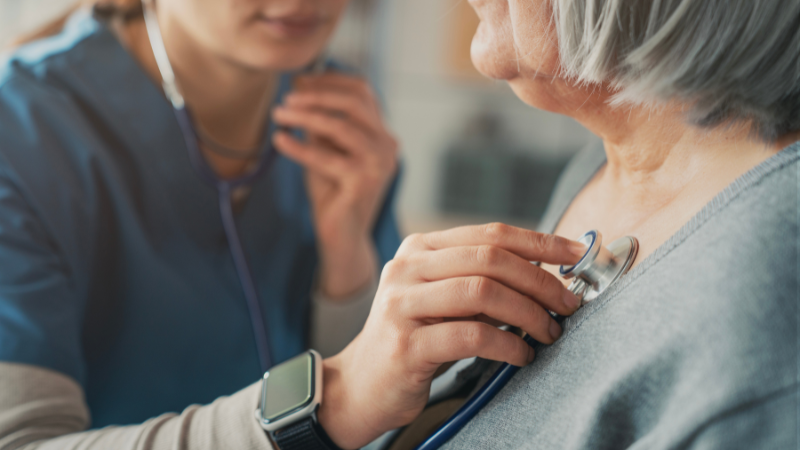
Osteoporosis typically becomes a concern for men between the ages of 60 and 80, with the risk increasing greatly after age 70. The primary method of diagnosing osteoporosis is through a DEXA scan, a low-dose X-ray that measures bone mineral density. A Vertebral Fracture Assessment, another low-dose, low-radiation imaging tool, can check for spine fractures, which can signal low bone density. A full, detailed checkup should also include an gathering information about diet and lifestyle habits, such as smoking and alcohol use, along with a health history and information about chronic illnesses.
Treatment options for men
While living with osteoporosis can be challenging, it is manageable through a combination of lifestyle changes and medical treatments.
Medication options include those that prevent bone loss, and for severe cases or patients with spinal or hip fractures, medications that promote muscle growth, tissue repair and increased bone density.
Why bone health matters
Bone health is a critical factor in overall well-being, especially when it comes to surgical procedures involving bone repair. Adequate bone density is required for screws to anchor properly. The inability to undergo a successful procedure can lead to limited mobility and poorly healed fractures.
What you can do to reduce your risk of developing osteoporosis
It’s never too late to improve your bone health. Whatever your age, the habits you adopt now can affect your bone health for the rest of your life.
What can you do to protect your bones? Get enough calcium and vitamin D, exercise regularly, eat fruits and vegetables rich in calcium, don’t smoke and limit your alcohol intake.
Start with your diet
Eating a well-balanced diet that includes a variety of calcium and vitamin D-rich foods every day is a crucial building block for bones. Vitamin D helps the body absorb calcium, among other things, so it is important for building and maintaining bone health.
Fortunately, there are many foods that are good sources of calcium (and other healthy nutrients). Dairy products, such as milk, yogurt and cheese are high in calcium. Certain green vegetables and other foods contain calcium in smaller amounts. Some juices, breakfast foods, soymilk, cereals, snacks, breads and bottled water have added calcium.
How much calcium do I need and should I take a supplement?
Getting enough calcium and vitamin D is essential to keeping your bones strong and healthy as you age. Women younger than 50 and men younger than 70 should get at least 1,000 mg of calcium per day. Women 51 and older, and men 71 and older should consume at least 1,200 mg of calcium daily.
Vitamin D is found in very few foods, but we do produce vitamin D when exposed to sunlight. Unfortunately, as you age, your body loses its ability to effectively produce vitamin D. Therefore, a supplement is a good idea. Men and women 50 and younger should consume 400-800 IUs daily. If you are older than 50, aim to consume 800-1,000 IUs daily.
Exercise – a key to strong bones
There are two types of exercises that are important for building and maintaining bone density: weight-bearing and muscle-strengthening exercises.
Weight-bearing exercises include activities that make you move against gravity while staying upright. Weight-bearing exercises can be high-impact or low-impact.
High-impact weight-bearing exercises help build bones and keep them strong. These include jumping rope, jogging, aerobics, stair climbing and tennis. If you have broken a bone due to osteoporosis or are at risk of breaking a bone, you may need to avoid high-impact exercises. If you’re not sure, you should check with your health care provider.
Low-impact weight-bearing exercises can also help keep bones strong and can be a safe alternative if you cannot do high-impact exercises. Examples of low-impact weight-bearing exercises are: Brisk walking, hiking on level surfaces, elliptical training machines, stair-step machines or low-impact aerobics.
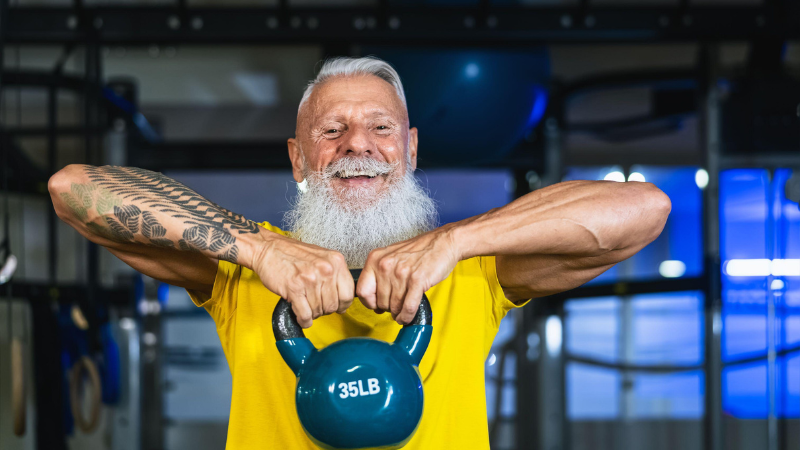
Muscle-strengthening exercises include activities where you move your body or a weight against gravity or some other resistance. They are also known as resistance exercises and include: lifting weights, weight machines, elastic exercise bands, moves such as squats and lunges, or sitting to standing.
Taking control of your bone health journey
The first step in managing osteoporosis is recognizing personal risk and initiating a conversation with a health care provider. Men need to advocate for themselves — seeking evaluation, treatment and education.
Osteoporosis and bone health are of critical importance in both men and women. Although often overlooked, osteoporosis in men is a significant health issue that can profoundly affect quality of life and independence. Fortunately, early diagnosis, regular screening and effective treatment options can help men maintain strong bones and lead active, healthy lives.
Talk to your care provider today about proactive screening.