
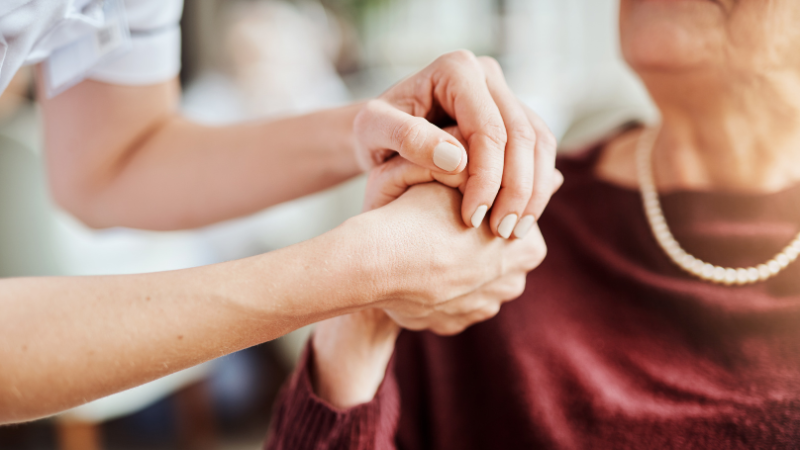
Why mental health matters at every stage of life
Mental health is an essential part of overall health and well‑being. It influences how we think, feel, act and cope with everyday stress. It plays a critical role in physical health, relationships, learning and work. According to the Centers for Disease Control and Prevention (CDC), mental and physical health are deeply connected and should be treated with equal importance. [cdc.gov]
Mental health and older adults
People often think of mental illness as a problem that affects younger adults, but older adults also can face mental health challenges. In fact, some mental health problems become more common with age. For example, a common misconception about mental illness is that depression is a natural part of growing older. This is untrue. All stages of life present challenges that may affect a person’s mental health. Later in life, changes such as retirement, declining health or losing a loved one can affect emotional well‑being, sometimes increasing loneliness or social isolation. [cdc.gov]
Also, as people age, their bodies change. Physically, getting older can affect eyesight, hearing, organ function and other parts of the body, so it makes sense that older adults may also experience changes in their mental health. Older adults may feel sad, worried or lonely. They may feel confused or have trouble remembering things. Such changes may be gradual and unexpected, so it’s important to be aware and get help right away, if needed. Good mental health helps people live happy, fulfilling lives, no matter how old they are.

Become a patient
Our primary care team is here to give you the focused support you need.
Find a clinicWhat is the difference between good mental health and mental illness?
When someone has good mental health, they feel balanced and can enjoy daily life. Mental illness can negatively affect a person’s thoughts, emotions, mood, or behavior in a way that can make daily life difficult to manage. Examples of mental disorders are depression, anxiety, bipolar disorder and schizophrenia. Each of these illnesses can be temporary or last a long time. Mental illness can happen for a combination of reasons, including genetics, brain chemistry, life experiences and environmental stress.
Like physical health problems, mental illnesses are real and require proper treatment, such as therapy, medication, lifestyle changes or support. Recognizing and understanding mental illness is important in helping reduce shame and raise awareness that it’s OK to ask for help.
It’s important to recognize the symptoms of various mental conditions.
Depression
Depression is more than feeling sad for a day or two. A person with depression may feel sad for weeks or months, which can make life feel heavy and tiring. Other symptoms may include:
- Feelings of worthlessness or guilt
- Feeling hopeless
- Increased irritability or frustration
- Changes in appetite (eating more or less)
- Trouble sleeping or sleeping too much
- Low energy or fatigue
- Aches and pains that don’t have a clear cause
- Difficulty concentrating, remembering, or making decisions
- Slower thinking or speaking
- Withdrawing from friends, family or social activities
- Neglecting personal care or daily tasks
Anxiety
Anxiety disorders can be harder to detect in older adults. Someone with anxiety may have many of the same symptoms of depression, but may also experience:
- Increased heart rate or shortness of breath
- Headaches or stomach problems
- Constant worry or fear they cannot control
- Restlessness or edginess
- Avoiding social activities or situations they enjoyed in the past
- Trouble concentrating or making decisions
- Repeating behaviors, such as checking and double checking that appliances are turned off or the door is locked
Bipolar disorder and schizophrenia in older adults
Older adults are much less likely to be newly diagnosed with schizophrenia or bipolar disorder. These conditions commonly start in the teen or young adult years, but older adults can develop this illness in later life.
Bipolar disorder causes dramatic mood swings of “mania” (extreme happiness, excitement and energy) contrasted by periods of severe depression. Bipolar disorder that starts in later life is called late-onset bipolar disorder and usually starts after age 50. It can be more difficult to diagnose because the symptoms can resemble common older adult problems such as memory loss or confusion. An older adult with bipolar disorder may be irritable or restless during a mania phase and then experience long term depression.
Schizophrenia is a mental disorder that affects how a person thinks, feels and acts. They may hallucinate (hear voices or see things that are not there) and have delusions, which are strong beliefs that are not true. They also may have trouble telling what is real and what is not. Other possible symptoms include confused or disorganized thinking, acting in unusual ways or a lack of emotion.
Why mental health problems go untreated
Many older adults don’t get help with mental health problems. They may think that feeling sad is part of getting older, or they feel uncomfortable talking about their feelings. Others may not know where or how to get help. It’s important to remember that anyone experiencing a mental health problem deserves help, no matter what their age. There are treatments available that depend on each person and their needs.
Talking to a professional
Counseling or therapy allows people to talk about their feelings with a trained professional. This can help them feel understood and supported.
Medication
Some people benefit from medicine that helps balance brain chemicals. A doctor can help decide if medicine is needed.
Healthy habits
Changing daily habits can also help. These include:
- Getting enough sleep
- Eating healthy foods
- Staying active
- Spending time with loved ones
Family and friends can help
Family and friends play a big role in mental health. Studies show that if you have a loved one having trouble with their mental health, remember to:
- Listen without judging
- Check in often
- Encourage doctor visits
- Help with daily tasks, if needed
Just being there can make a big difference.
When to get help right away
If an older adult talks about hurting themselves or feels like life is not worth living, get help right away. Call a doctor, mental health professional, or a crisis helpline.
Final Thoughts
Mental health matters at every stage of life. Older adults deserve care, respect and support for both their minds and bodies. By learning the signs and talking openly, we can help make sure no one feels alone.
If you or someone you love is struggling, reaching out is the first step toward feeling better.