The holiday season is filled with family gatherings, celebrations and favorite foods. In Texas, that often means tamales, pan dulce and other Mexican favorites. If you have diabetes, you may worry that enjoying these traditions will send your blood sugar soaring.
The good news is that diabetes-friendly holiday eating does not mean giving up your culture or favorite recipes. With a few smart strategies, you can enjoy holiday meals, protect your health and still participate in family celebrations. Health experts agree that healthy eating patterns should include cultural foods and family traditions while emphasizing portion control, balanced meals and nutrient-rich ingredients.
Focus on balance, not restriction
Many people think diabetes means never eating holiday treats. In reality, a healthy eating plan allows room for favorite foods. The key is balancing carbohydrates with protein, healthy fats and fiber.

Become a patient
Our primary care team is here to give you the focused support you need.
Find a clinicAccording to MedlinePlus and the National Institute on Aging, healthy eating includes a variety of foods from all food groups, with an emphasis on vegetables, fruits, lean proteins, whole grains and healthy fats.
Instead of trying to avoid every special dish, choose a few favorites and enjoy them mindfully. Eating slowly and paying attention to hunger and fullness cues can help prevent overeating. Mayo Clinic experts recommend eating until you are satisfied rather than stuffed.
Build a diabetes-friendly holiday plate
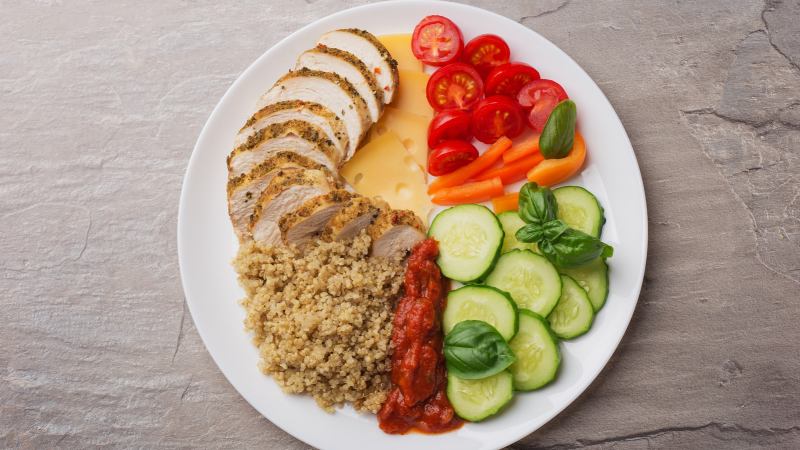
A balanced plate can help control blood sugar after meals. The CDC recommends filling up on vegetables and choosing smaller portions of foods higher in calories, sodium, saturated fat and added sugars.
Try this simple approach:
- Fill half your plate with non-starchy vegetables: salad, roasted vegetables, tomatoes, peppers, green beans.
- Reserve one-quarter for lean protein: turkey, chicken, fish, lean pork, beans.
- Reserve one-quarter for carbohydrate-rich foods: tamales, rice, corn, tortillas, sweet potatoes, fruit.
Watch carbohydrate portions
Carbohydrates have the greatest effect on blood sugar levels. Holiday favorites such as rice, tamales, tortillas, pan dulce and desserts can all fit into a diabetes meal plan, but portions matter.
Helpful tips include:
- Choose one small tamale instead of two.
- Take a modest serving of rice.
- Skip second helpings of starchy dishes such as potatoes.
- Share dessert with a family member.
- Pair carbohydrates with protein and vegetables.
This allows you to enjoy traditional foods without consuming large amounts of carbohydrates at one meal.
Highlight the healthiest parts of Latino cuisine
Traditional Hispanic diets include many foods that support blood sugar control and heart health.
The American Heart Association notes that beans, lentils, fruits, vegetables, avocados and whole grains are important staples in many Latin American cuisines. These foods provide fiber, which can help slow blood sugar spikes after meals.
Great options include beans, lentils, avocados, tomatoes, peppers, salsa, quinoa, fish and skinless chicken.
The National Heart, Lung, and Blood Institute’s Hispanic recipe collection encourages recipes that use lean proteins, vegetables, herbs and spices while reducing sodium and saturated fat.
Be careful with holiday drinks
Sweet drinks can raise blood sugar quickly.
Common holiday beverages may contain significant amounts of added sugar, including regular soda, sweet tea, fruit punch sweetened aguas frescas, specialty coffee drinks, eggnog, beer and holiday cocktails.
The CDC recommends limiting added sugars and choosing water more often.
Better choices include water with lime, sparkling water, unsweetened tea, coffee without syrups and sugar-free beverages.
If you drink alcohol, consume it in moderation and never on an empty stomach. Alcohol may affect blood sugar levels and diabetes medications.
Make diabetes-friendly recipe changes
Small recipe changes can make traditional dishes healthier without sacrificing flavor.
Try these substitutions:
- Use brown rice or reduce rice portions.
- Replace some meat with beans.
- Use low-sodium broth.
- Bake, roast or air fry instead of frying.
- Reduce added sugar in desserts.
- Use vegetable oils instead of lard.
- Add extra vegetables to soups, stews and rice dishes.
The CDC and NHLBI recommend reducing sodium, saturated fat and added sugars while increasing vegetables, beans and other nutrient-rich foods.
Keep moving after meals
Physical activity can help lower blood sugar levels after eating. The CDC recommends regular movement throughout the week and encourages activities such as walking with family and friends during the holidays.
A 10- to 20-minute walk after a holiday meal can be a simple way to support blood sugar control while spending time with loved ones.
Enjoy the season with confidence
Having diabetes should not stop you from enjoying holiday traditions. By choosing balanced portions, watching carbohydrate-rich foods, filling your plate with vegetables, selecting healthier beverages and staying active, you can celebrate the season while keeping your blood sugar on track.
The goal is not perfection. It is making choices that support your health while allowing you to enjoy the foods, family and traditions that make the holidays special.
Here’s are a few tips for making a holiday favorite: Diabetes-friendly chicken and vegetable tamales
- Use lean chicken for protein that helps slow digestion and can reduce blood sugar spikes after meals.
- Zucchini, peppers and onions add fiber, vitamins and volume without adding many carbohydrates.
- Replacing most or all of the lard with vegetable oil lowers saturated fat, which supports heart health.
- Enjoy one tamale alongside a large salad or non-starchy vegetables such as cabbage slaw, roasted vegetables or a vegetable-based soup.
Sources
- Centers for Disease Control and Prevention: Healthy holiday eating and healthy eating tips. [cdc.gov], [cdc.gov], [healthysd.gov]
- MedlinePlus nutrition resources. [medlineplus.gov]
- National Institute on Aging healthy eating guidance. [nia.nih.gov]
- National Heart, Lung, and Blood Institute, Delicious Heart-Healthy Latino Recipes. [nhlbi.nih.gov], [nhlbi.nih.gov]
- Mayo Clinic healthy holiday eating recommendations. [mayoclinic…system.org], [newsnetwor…clinic.org]
- American Heart Association guidance on heart-healthy Latino foods. [heart.org], [heart.org]