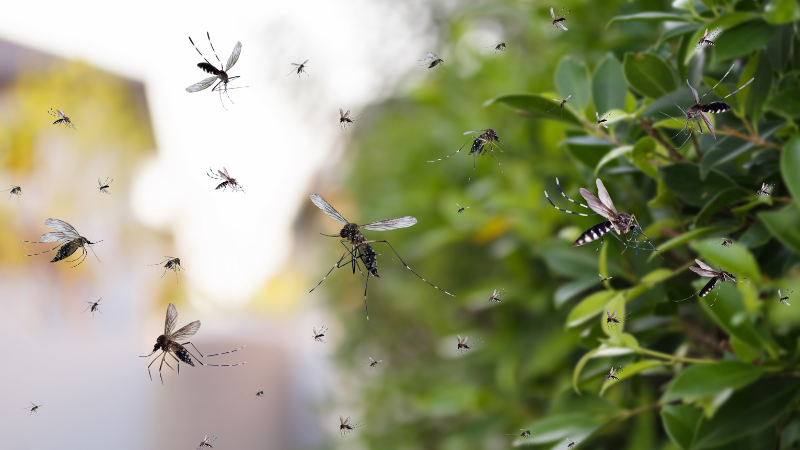
Mosquitoes are more than just an itchy nuisance; they can carry and transmit diseases that pose serious health risks. Understanding how to keep mosquitoes away is crucial, especially for those living in mosquito-prone areas like Texas.
Understanding the threat of mosquitoes
The most prevalent mosquito-borne illnesses currently circulating include West Nile virus, Dengue fever and Eastern Equine Encephalitis (EEE). While West Nile virus is the most commonly reported domestic threat in the United States, Dengue remains the world’s most widespread mosquito-borne virus, with rising case numbers in both tropical regions and parts of Texas.
West Nile Virus
Tracked by the CDC West Nile virus index, this illness peaks in late summer. It is transmitted primarily by Culex mosquitoes and remains a widespread concern.

Become a patient
Our primary care team is here to give you the focused support you need.
Find a clinicWest Nile virus can sometimes cause severe neurological diseases. Most people infected with West Nile virus experience no symptoms or mild, flu-like symptoms such as fever, headache, and body aches. However, in severe cases, the virus can lead to encephalitis (inflammation of the brain) or meningitis (inflammation of the membranes surrounding the brain and spinal cord). These are life-threatening illnesses. Older adults and individuals with weakened immune systems are at higher risk for severe complications.
Dengue Fever
Prevalent globally, Dengue is increasingly reported in the southern United States, including Texas. Detailed local case tracking and travel warnings are available via the CDC Dengue Background. Dengue fever is a viral infection that can cause severe flu-like symptoms, including high fever, severe headache, pain behind the eyes, joint and muscle pain, rash and mild bleeding (nose or gum bleeding). In extreme cases, dengue fever can develop into dengue hemorrhagic fever, a potentially life-threatening condition that causes bleeding, blood plasma leakage and low platelet count.
Eastern Equine Encephalitis (EEE)
A rarer but potentially severe neurological disease that is currently active, particularly in coastal and humid regions. EEE is a rare but severe mosquito-borne viral disease that causes inflammation of the brain (encephalitis). It is transmitted through the bite of an infected mosquito that has fed on infected birds. Most cases in the United States occur in the eastern or Gulf Coast states. Symptoms typically appear 3 to 10 days after an infected mosquito bite. The disease progresses in stages, sometimes leading to severe neurological issues. There is no cure or specific medication for EEE, nor is there a human vaccine. Treatment primarily consists of supportive hospital care, including intravenous fluids and respiratory support. Prevention relies entirely on avoiding mosquito bites.
How to prevent mosquito bites
Preventing mosquito bites is your first line of defense against mosquito-borne illnesses. Here are some effective strategies:
- Use insect repellents – Applying EPA-registered insect repellents containing DEET, picaridin, IR3535, Para-menthane-diol, or lemon eucalyptus oil can significantly reduce the risk of mosquito bites. Ensure you follow the product instructions and reapply as directed, especially if you spend extended periods outdoors.
- Wear protective clothing – Wear loose-fitting long sleeves, long pants, and socks to minimize skin exposure. Look for clothes and gear treated with permethrin. Light-colored clothing is less attractive to mosquitoes and can further reduce the likelihood of bites.
- Install screens and use mosquito nets – Keeping windows and doors closed or installing fine mesh screens can prevent mosquitoes from entering your home. If you’re in a high-risk area, consider using mosquito nets around your bed for added protection.
- Avoid peak mosquito hours – Mosquitoes are most active during dawn and dusk. Stay indoors during these times or take extra precautions if you need to be outside.
Treating mosquito bites
Despite your best efforts, you might still get bitten. Here’s how to treat mosquito bites effectively:
- Clean the bite area: Wash the bite area with soap and water to reduce the risk of infection.
- Apply anti-itch creams: Over-the-counter anti-itch creams or lotions containing hydrocortisone can help alleviate itching and reduce swelling.
- Use cold compresses: Applying a cold compress to the bite can help reduce inflammation and relieve itching and discomfort.
- Avoid scratching: Scratching can worsen the itching and increase the risk of infection. Try to keep your hands off the bite to let it heal properly.
- Baking soda and water paste: Mix 1 tablespoon of baking soda with a small amount of water to make a paste. Apply it to the bite and wait 10 minutes to rinse it off.
Eliminating mosquitoes in your yard and home
Creating a less attractive environment for mosquitoes is key to keeping them away from your living spaces. Here’s how you can achieve that:
- Remove standing water: Mosquitoes breed in standing water. Regularly check and eliminate standing water from bird baths, flower pots, gutters and other containers around your yard.
- Maintain your yard: Keep your grass trimmed and your shrubs well-maintained. Mosquitoes like to rest in tall grass and bushes so a tidy yard can reduce their presence.
- Use mosquito traps: Mosquito traps can effectively reduce the mosquito population in your yard. These devices attract and capture mosquitoes, helping to lower their numbers.
- Install outdoor fans: Mosquitoes are weak fliers. Installing outdoor fans on your porch or patio can help keep them away by creating a breeze they find difficult to navigate.
Indoor mosquito control
- Use indoor insecticides: Consider using indoor insecticides or mosquito foggers to eliminate mosquitoes inside your home. Always follow the manufacturer’s instructions for safe and effective use.
- Maintain cleanliness: Ensure your home is clean and clutter-free where mosquitoes can hide. Regular cleaning can help keep these pests at bay.
- Seal entry points: Check and seal any gaps or cracks in windows, doors, and walls that mosquitoes might use to enter your home.
Stay safe from mosquito-borne illness
Mosquitoes are more than an annoyance; they are potential carriers of serious diseases. You can protect yourself and your family from these pests by taking proactive steps to prevent bites, treating any bites that occur, and maintaining a mosquito-free environment.