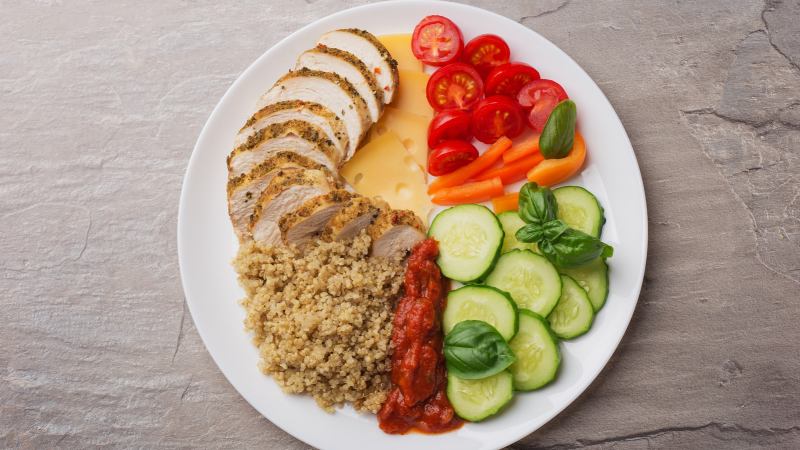
Exercise, quality sleep and meaningful social interactions are all proven, evidence-based ways to support cognitive function. However, the foods you eat every day are also very important for your brain heath.1
Certain nutrient-dense foods have been linked to improved cognitive performance, while some may even help lower the risk of Alzheimer’s disease and other forms of dementia.
Here’s what a balanced diet for brain health looks like and how to find a WellMed provider near you who can help you develop a personalized meal plan.

Become a patient
Our primary care team is here to give you the focused support you need.
Find a clinicWhat is a balanced diet for brain health?
Brain health refers to how well your brain functions across several areas.
These include your1:
- Mood and emotional health
- Cognition, or your ability to think, learn and remember things
- Motor function, or the ability to make and control movements
- Tactile function, the way you feel and respond to physical sensations
- Sensory function, or your ability to hear, see, taste and smell
A balanced diet for brain health focuses on optimizing your health across these areas. It involves eating foods rich in nutrients that support these functions while reducing your risk of dementia.
Key nutrients that support brain health
Several nutrients play a key role in supporting brain health, which makes it easy and convenient to map out a diverse and satisfying brain-friendly diet.
Researchers have found that the following nutrients are most effective at boosting cognition2, 3:
Omega-3 fatty acids
Fatty acids make up about 60% of the brain. When combined with foods low in saturated fats, omega-3s may reduce the risk of cognitive decline. Omega-3s are found to be particularly effective at improving symptoms of dementia in patients with mood disorders and traumatic brain injuries.
B vitamins
Protein-rich foods contain high amounts of an amino acid called homocysteine, which may increase the risk for dementia. B vitamins—particularly B6, B12 and folate—help your body metabolize this amino acid more effectively. B vitamins are also shown to boost memory in females and in those who consume low amounts of choline.
Antioxidants
Any inflammation in the body can expose you to free radicals, which attack healthy cells—including those in the brain. Foods high in antioxidants may help prevent and minimize damage to the brain caused by free radicals.
Vitamin D
Vitamin D, also known as the sunshine vitamin, offers protective effects against dementia. This vitamin may also help preserve or delay cognitive problems in older adults.
Choline
Choline supports healthy motor and nervous system function. It may also reduce seizure-related memory impairment.
Copper
Low plasma concentrations of copper have been linked to cognitive decline in patients diagnosed with Alzheimer’s. Copper also plays an important role in regulating chemicals involved in your mood (such as dopamine) and in metabolizing free radicals.4
Top foods to include in a brain-healthy diet
An ideal brain-healthy diet includes a variety of foods rich in the nutrients listed above. Omega-3s reside at the top of the food pyramid when it comes to brain health, and can often go a long way toward protecting your cognition.
Omega-3s
Fatty types of fish contain high amounts of omega-3s, as do many varieties of nuts.2, 3, 5
- Salmon
- Tuna
- Mackerel
- Sardines
- Herring
- Pollock
- Chia seeds
- Walnuts
- Flaxseeds
- Almonds
- Anchovies
- Avocados
B vitamins
Dark leafy greens are typically loaded with B vitamins, as are beans and beef.2, 5
- Spinach
- Kale
- Broccoli
- Collard greens
- Eggs
- Meat
- Lentils
- Chickpeas
- Greek yogurt
Antioxidants
Many foods are high in antioxidants—particularly fruits and vegetables. Berries and cruciferous veggies often contain the highest amounts.2, 3, 5
- Blueberries
- Blackberries
- Raspberries
- Cranberries
- Black currants
- Acai berries
- Broccoli
- Cauliflower
- Artichokes
- Kale
- Spinach
- Bok choy
- Cabbage
- Brussels sprouts
- Beets
- Kidney beans
- Pinto beans
- Black beans
- Lima beans
- Tea
- Coffee
Vitamin D
Sunlight is often the best source of vitamin D, but this essential nutrient is also found in many foods.6
- Fish liver oil
- Beef liver
- Eggs
- Cheese
- Fatty fish
- Milk
- Mushrooms
- Fortified cereals
Choline
Choline, which plays an important role in fat transport, metabolism and brain development, is commonly found in meat and poultry.2, 7
- Eggs
- Chicken
- Veal
- Soy beef
- Turkey liver
- Tuna
- Salmon
- Lettuce
- Kidney beans
- Navy beans
- Peas
- Milk products
- Cruciferous veggies
Copper
Copper can be found in many foods that make up a balanced diet for brain health, including nuts and seafood.3, 8
- Oysters
- Crab
- Salmon
- Turkey
- Tofu
- Dark chocolate
- Unsweetened chocolate
- Cocoa
- Black pepper
- Brazil nuts
- Cashews
- Mushrooms
- Potatoes
Eating patterns that may support brain health
Many health professionals recommend following the MIND diet for brain health.9, 10
The MIND diet is a combination of the Mediterranean and Dietary Approaches to Stop Hypertension (DASH) diets.9 It is found to reduce the risk of brain and heart conditions.
Generally, the MIND diet requires you to eat the following foods9:
- Whole grains
- Salad
- Fruits and veggies
- Nuts
- Beans
- Berries
- Poultry
- Fish
An important factor to keep in mind is that this diet focuses on limiting cheese and red meats—some of which are actually good for brain health, like grass-fed beef.9, 10 Your doctor or nutritionist can work with you to develop a personalized brain-healthy diet based on your current health status and nutrient levels.
Foods and habits to limit
Some foods may accelerate cognitive decline—especially those that drive brain inflammation and disrupt important brain processes.
Foods to limit while supporting brain health include9, 11, 12:
- Processed meats, such as pepperoni, bologna, bacon and sausage
- Added sugars, such as those in pastries and candy
- Fried and fast foods
- Saturated fats in dairy, such as those in butter and cream
- Refined white flour, such as that in pastas, breads and crackers
Eating less of these foods may help strengthen your brain health while reducing the risk of dementia.
Special considerations for adults 65 and older
Around one in nine adults aged 65 and older is living with Alzheimer’s, which is the most common form of dementia.13 Due to their condition, eating a healthy diet may be more difficult for these individuals.
Older adults without dementia may also struggle with following a brain-healthy diet, because of factors such as poor appetite, disability and other chronic health conditions.
Here are brain-healthy dieting tips for caregivers and older adults13:
- Cut fruits and veggies into small, finger food-sized portions.
- Prepare softer versions of hard foods that are difficult to eat. For example, steam crunchy veggies like carrots and serve smooth nut butters instead of raw nuts.
- Consider using meal kit services or those that deliver pre-made meals.
- Use natural sweeteners such as honey, maple syrup or stevia to make certain foods (such as oatmeal) more appetizing.
- Serve snacks and smaller meals throughout the day.
- Eat meals at the same times every day.
- Turn off the TV, radio and other distractions during mealtimes.
- Serve one food item at a time rather than a plate with multiple options.
- Be mindful of foods and ingredients that may interact with medications, such as grapefruit.
Simple ways to build a brain-healthy plate
It may help to ask your doctor about the best foods to eat for brain health, based on your current health status and medical history.
Your doctor can review your medications and recommend the best dietary approach. For instance, people with diabetes may also need to focus on minimizing carbs and other foods that can spike blood sugar.
Tips for building a brain-healthy plate, based on MIND diet guidelines14:
- 3+ servings of whole grains per day
- 1+ servings of veggies per day (excluding leafy greens)
- 6+ servings of leafy greens per week
- 5+ servings of nuts per week
- 4+ meals of beans per week
- 2+ servings of berries per week
- 2+ meals of poultry per week
- 1+ meals of fish per week
- Olive oil, for cooking
- Less than 5 servings of pastries and sweets per week
- Less than 4 servings of red meat per week
- Less than one serving of cheese and fried foods per week
- Less than 1 tablespoon of butter per day
Please keep in mind these are rough guidelines, and your doctor can provide further dietary guidance.
FAQ
What is the best balanced diet for brain health?
A balanced diet for brain health includes foods loaded with omega-3s, B vitamins and other nutrients that support cognition. Dark leafy greens, fish and berries are prime examples of brain-healthy foods.
Can certain foods improve memory?
Yes, researchers have identified several foods that may boost and improve your memory.5 Some examples include walnuts, berries, fatty fish, green veggies and coffee.
Is the Mediterranean diet good for cognitive health?
Yes, both the Mediterranean and MIND diets are considered top diets for brain health.15 Both diets are rich in fruits, veggies, whole grains, olive oil, beans and fish. These foods are also associated with fewer signs of Alzheimer’s in older adults.
What nutrients are most important for older adults?
Older adults can benefit from higher amounts of vitamins and nutrients known to reduce the risk for dementia and Alzheimer’s. These include B vitamins (particularly thiamin, folate and riboflavin), calcium, vitamin D, vitamin C, vitamin E, magnesium, potassium and sodium.16 Fortunately, many foods that support brain health already contain high amounts of these nutrients.
How does hydration affect brain function?
The brain is made up of about 75% water.17 Therefore, dehydration can disrupt important brain processes and affect your memory, thinking, focus and mood. It may also increase your risk for dementia.
Make a conscious effort to drink more water throughout the day. It also helps to snack on fruits and veggies—since many of them can boost your water intake.
Conclusion
Making changes to your diet as early on as possible can help you protect and preserve your brain health as you age.
Ask your doctor for help with adopting a brain health diet at your next appointment. Your doctor can evaluate your current eating habits and make personalized recommendations.
Contact WellMed today at (888) 781-WELL or visit our website to find a doctor near you.
Resources
- 1. National Institute on Aging. (2024, June 11). Cognitive Health and Older Adults. https://www.nia.nih.gov/health/brain-health/cognitive-health-and-older-adults.
- 2. Academy of Nutrition and Dietetics. (2026, February 16). Feeding Your Body, Feeding Your Brain. https://www.eatright.org/health/wellness/healthful-habits/feeding-your-body-feeding-your-brain.
- 3. Gómez-Pinilla, F. (2008, July). Brain foods: the effects of nutrients on brain function. Nat Rev Neurosci., 9(7), 568–578. https://doi.org/10.1038/nrn2421
- 4. An, Y., Li, S., Huang, X., et al. (2022, November 10). The Role of Copper Homeostasis in Brain Disease. Int J Mol Sci., 23(22), 13850. https://doi.org/10.3390/ijms232213850
- 5. Harvard Health Publishing. (2024, April 3). Foods linked to better brainpower. https://www.health.harvard.edu/healthbeat/foods-linked-to-better-brainpower.
- 6. National Institutes of Health. (2025, June 27). Vitamin D. https://ods.od.nih.gov/factsheets/VitaminD-HealthProfessional/.
- 7. U.S. Department of Agriculture. (n.d.) Eye on Nutrition: Choline. https://wicworks.fns.usda.gov/resources/eye-nutrition-choline.
- 8. National Institutes of Health. (2022, October 18). Copper. https://ods.od.nih.gov/factsheets/Copper-HealthProfessional/.
- 9. University of Michigan Medical School. (2025, December 3). Can your diet improve brain health? https://medresearch.umich.edu/research-news/can-your-diet-improve-brain-health.
- 10. National Institutes of Health. (2024, December). Healthy Eating Linked to Better Brain Health. https://newsinhealth.nih.gov/2024/12/healthy-eating-linked-better-brain-health.
- 11. American Academy of Neurology. (2025, January 15). Is Eating More Red Meat Bad for Your Brain? https://www.aan.com/PressRoom/Home/PressRelease/1082.
- 12. Harvard Health Publishing. (2024, March 27). Brain-draining foods. https://www.health.harvard.edu/healthbeat/brain-draining-foods.
- 13. Alzheimer’s Association. (n.d.) Alzheimer’s Disease Facts and Figures. https://www.alz.org/alzheimers-dementia/facts-figures.
- 14. Harvard T.H. Chan. (2023, August). Diet Review: MIND Diet. https://nutritionsource.hsph.harvard.edu/healthy-weight/diet-reviews/mind-diet/.
- 15. National Institute on Aging. (2023, May 4). MIND and Mediterranean diets linked to fewer signs of Alzheimer’s brain pathology. https://www.nia.nih.gov/news/mind-and-mediterranean-diets-linked-fewer-signs-alzheimers-brain-pathology.
- 16. National Institute on Aging. (2021, January 2). Vitamins and Minerals for Older Adults. https://www.nia.nih.gov/health/vitamins-and-supplements/vitamins-and-minerals-older-adults.
- 17. Zhang, N., Du, S. M., Zhang, et al. (2019, May 29). Effects of Dehydration and Rehydration on Cognitive Performance and Mood among Male College Students in Cangzhou, China: A Self-Controlled Trial. Int J Environ Res Public Health, 16(11), 1891. https://doi.org/10.3390/ijerph16111891